Crimson Peak – Guillermo del Toro, Tom Hiddleston and Mia Wasikowska


It’s hard to say who comes off as the most charismatic in Guillermo del Toro’s new Gothic Horror (and it is very Gothic) Crimson Peak.

Crimson-Peak-Tom-Hiddleston-Thomas-posterCould it be the Tom Hiddleston, challenger to Benedict Cumberbatch’s throne as the connoisseur’s choice for charismatic British leading man?

The ‘Sherlock’ star was originally to play the lead before dropping out, and yet Hiddleston delivers an appropriately tortured and brooding Byronic figure in the form of Sir Thomas Sharpe.


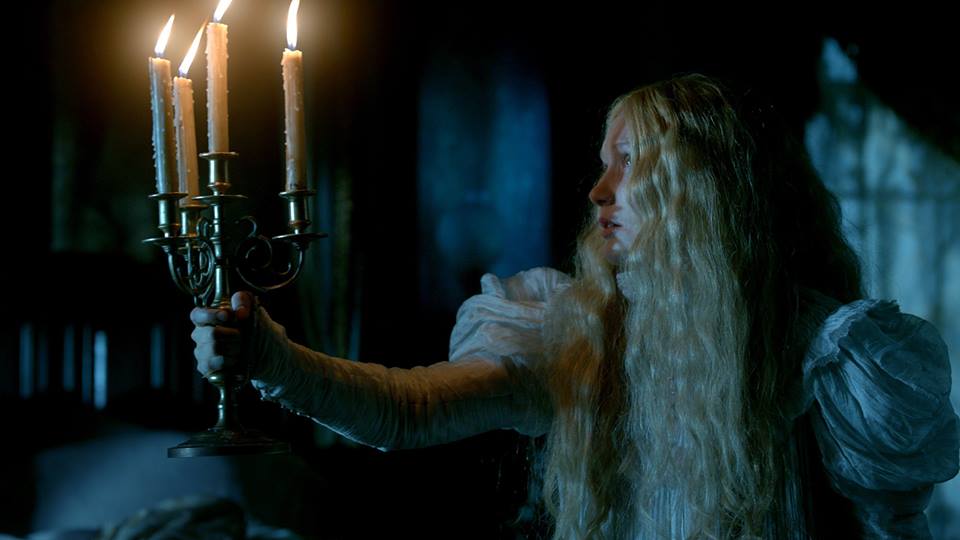
Crimson-Peak-Mia-Wasikowska-Edith-posterCould it be Mia Wasikowska, persistently delivering superb performances as an otherwordly creature, appearing here as society-defying aspiring writer Edith Cushing?

The darling of definitive counterculture directors, she appeared as unruly vampire Ava in Jim Jarmusch’s quiet classic Only Lovers Left Alive – again, with Tom Hiddleston, cementing their place in contemporary Gothic cinema.


Crimson-Peak-Jessica-Chastain-Lucille-posterCould it be Jessica Chastain, fresh from del Toro’s Spanish cerebral thriller Mama and again enmeshed in a chilling tale involving ghosts, butterflies and moths?

A striking figure in scarlet dresses and crazed scowling, she relishes her role as the far more mysterious Sharpe sibling, Lady Lucille – smouldering pouts one minute, and shrill homicide the next.


Let’s be realistic. The real star of the film has to be the beautiful and incomparable Allerdale Hall – monument to del Toro’s mindbending grasp of the scary and surreal, and the Gothic mansion to which all other Gothic mansions, in all other fiction, must aspire!
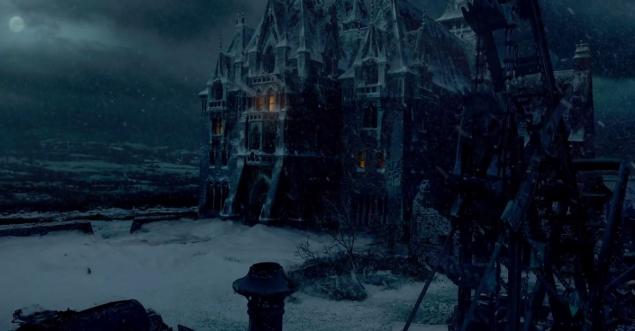
9553799_origBeing a film by del Toro, spectacle is all. Reportedly, the iconoclastic director spent seven months alone erecting the dark, decaying mansion set and outfitting it to his exacting standards. The script, however, probably enjoyed less and comes across as more of a knowing nod towards all the classic Gothic tropes.

Edith Cushing – acknowledging the heavy work Hammer Horror has done – is basically an upgraded Catherine Morland. In a twist on Austen’s creation, Edith does not believe in ghosts, and her own novel is simply ‘a story with a ghost in it, a metaphor’ – yet she soon finds herself unarguably trapped within a genuine haunted house.

The horrible truth lurking within the rotten heart of English aristocracy is another trait shared by so many definitive Gothic creations, as is the wasting illness that has Edith coughing up blood, echoing so many fragile heroines beset by tuberculosis.
The true heart of this movie is set entirely within the – seemingly bleeding – walls of Allerdale Hall, and that acknowledges slightly more recent thriller conventions like The Shining.

The ghosts in del Toro’s script are little more than the metaphors of Edith Cushing’s novel, and differ crucially from the diffuse and truly frightening shapes of more contemporary horror movies. In letting us see the spectres rendered gorily visible, they actually lose much of their emotional impact when contrasted with the half-glimpsed shadows of Paranormal Activity for example.

It’s all intentional of course, as del Toro says:

“I think people are getting used to horror subjects done as found footage or B-value budgets. I wanted this to feel like a throwback.”

Crimson Peak is a Gothic love story tinged with elements of supernatural horror. It shouldn’t be considered in the same category as all-American scare-fests, but more a natural product of Guillermo del Toro’s beautiful, bizarre and deeply unsettling imagination, even if it fails to live up to the mind-bending splendour of Pan’s Labyrinth or the spine-tingling chill of The Orphanage.

Nevertheless, it is an enjoyable and eerie film that makes a welcome break for viewers inundated with the vindictive spirits of Sinister and their ilk. Thrill along with this natural evolution of a genre pioneered by Shelley and Walpole.
wasikowska-1

Posted in Uncategorized | Tagged , , , , , | 3 Comments

Whitby Gothic Weekend: Halloween 2015

WGWIt’s finally October, and we hope all your Halloween plans are coming together! Especially if you’re heading for North Yorkshire, to help the Whitby Gothic Weekend celebrate its second 21st Birthday. There will be enough traders to make even the bravest bank account tremble, enough old friends and new faces to carouse with, and of course the stand-out nights of live bands at the Spa…

The UK’s Queen of alternative festivals is back down to two nights after their incredible four-night band extravaganza earlier this year, but don’t think for a second there’s any less excitement to be had!

From the 29th October until 1st November, you’ll be able to catch all of these classic and breaking new bands on stage at the Spa. Let’s take a look at the exhausting audio extravagances we will be enjoying…

Friday 30th October 2015

Chasing DragonsChasing Dragons
Incendiary, powerful melodic hard rock from God’s own country of Leeds, West Yorkshire. Post-hardcore bursts, thunderous vocals and overflowing alt metal – one of the first groups to play at Leeds pride, and growing ever since, Chasing Dragons are the perfect collision between passion and power on the alt-rock scene.

Bad PollyannaBad Pollyanna
One of the fastest rising stars in alternative music. Beauty and darkness in tandem, the group have built an explosively expansive following, and have found themselves in heavy demand for their charity work in particular. Passionate, talkative – and stunning. This year, especially for WGW, they’ll be performing their new album, The Broken Toys for the first time, and advance physical copies will be on sale ahead of worldwide release on 1st Dec.

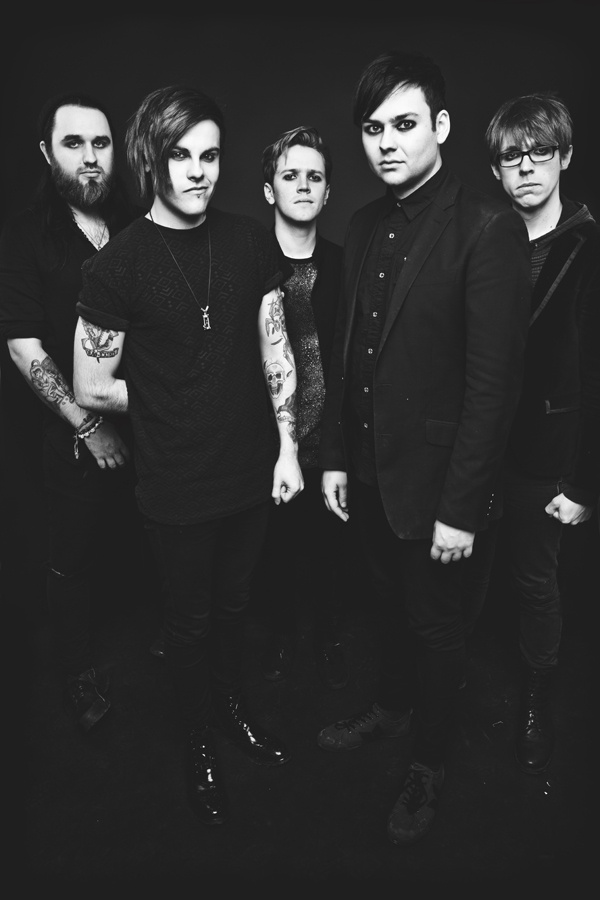
Fearless Vampire KillersFearless Vampire Killers
Death pop? Theatrical rock? Nobody knows for sure – but the Fearless Vampire Killers and their radical, conceptual music have a legendary stake in the Goth, Scene and Rock movements. This year they’ll be performing some of their latest material – from their latest mini album, Bruises.

Altered Images

Clare Grogan and her Altered Images are headlining Friday, harking back to the days when she was studying for her A Levels – and touring with Siouxsie and the Banshees. With three top ten albums to her name and numerous film, television and stage roles under her belt, the multi-talented Clare and Altered Images are still exciting their adoring fanbase, more than thirty years since they first appeared in the evolving New Wave scene.


Saturday 31st October 2015

in ISOLATION
In IsolationA collaboration between musicians and songwriters who helped represent the Goth scene from the 1980s to the present day, this exciting outfit intends to look both backwards and forwards – presenting the new contemporary and the old classics in equal doses. They’ll be releasing their latest single to you at the Spa this year!

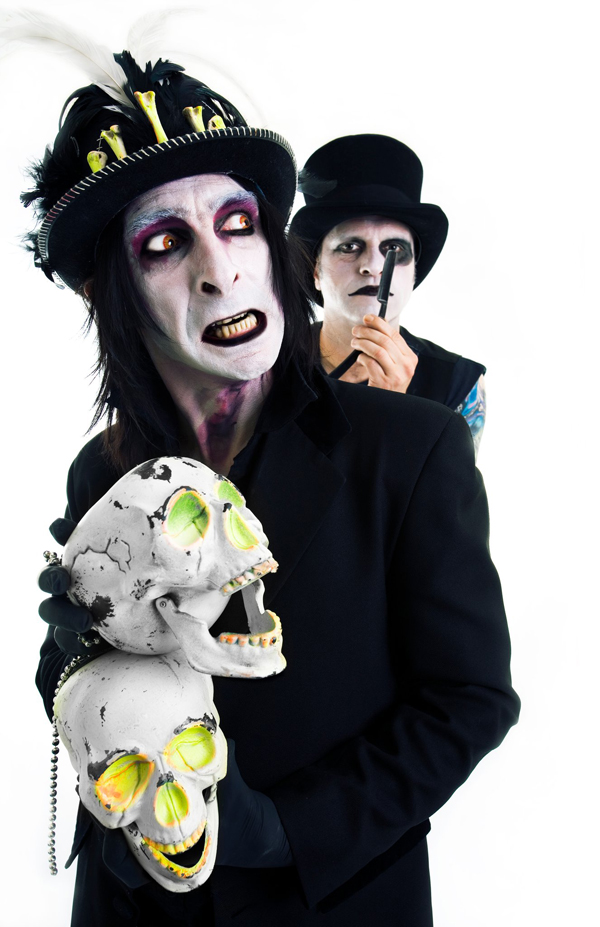
Vince RipperVince Ripper & The Rodent Show
Welcome to the boneyard! Ratfink, unleashed from his service in Alien Sex Fiend, brings his DJ friend Vince Ripper for a series of alternative DJ sets and remixes, with 3D glasses, horror movie clips, excessive props and theatrics befitting of the great Alice Cooper. Ripper and The Rodent Show will be bringing all the twisted tricks of their trade to the stage!

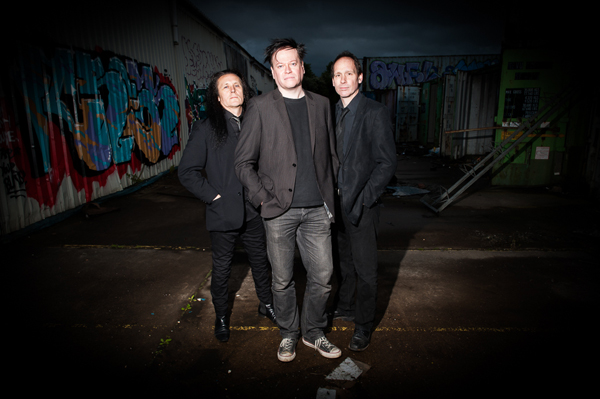
The Last CryThe Last Cry
Only the finest darkwave for Whitby Goth Weekend’s 21st year – the band boast one of the most dedicated fan followings the alternative has ever seen, and they’re here for you. The Last Cry continue to rise through the ranks – and spots on the WGW setlist  – year after year. Soulful, passionate, and impossible to ignore.

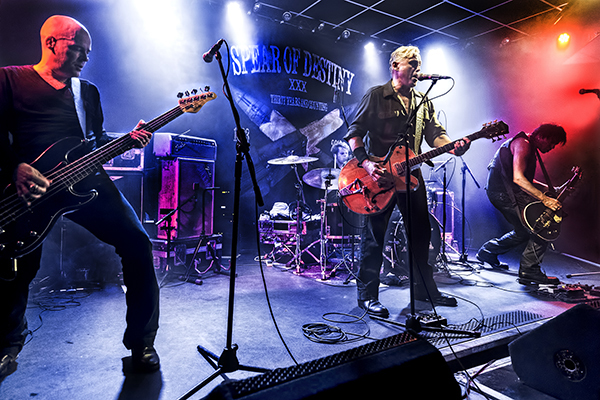
Spear Of DestinySpear of Destiny
Kirk Brandon has been leading Spear of Destiny to constant applause for over thirty years, and they will bring Whitby Goth Weekend to a clamorous summit on Saturday. Now boasting a line up with musical talent from such groups as New Model Army and The Mission, the group’s live shows now harks back to decades of full flight rock and roll. It’s all there, and it’s bound to satisfy anyone who has heard their vinyls from as far back as 1983.


Something there for every spirit and mournful soul that will be turning out. Now, we’ll put the thumbscrews on and ask you to answer, on pain of pain, which one single band you are most looking forward to seeing!
Vote in our poll below, but remember – you can only vote once!

For those damned sorts who can’t make it to Whitby in October, we’ll be blogging live, and you can follow us on all our social media channels. Tune in, comment on, share out!

tbg-twitter tbg-instagram tbg-facebook


Posted in Uncategorized | Tagged , , , , , , | Leave a comment

Goth Teenagers, Depression and the Bristol Study

By now, some of you may have heard me speaking on BBC Newcastle radio (21:00), or even the Today Programme on BBC Radio Four (48:00). You might have heard Sylvia from the Sophie Lancaster Foundation, on BBC Scotland radio or seen Stacey Elder on BBC Breakfast in London.

Has the Velvet Revolution finally occurred? Are the dark clad masses sweeping into Parliament, ready to put Natalie Bennett on a green and black throne? No – a new study has been released that identifies a heightened risk of depression and self-harm in teenagers identifying with the goth subculture.

That has been enough for the media who ran with that as their headline, only to grudgingly acknowledge further down their articles that the researchers concluded there was no evidence to indicate Goth could cause these conditions at all.

Interestingly, none of them have discussed the significant statistical breakdown – approximately 3,500 people aged 14 to 18 were surveyed, who were all from the Bristol and Avon area. Of this group, just 154 (4.5%) identified with the Goth subculture. Of that group, just 28 (18%) flagged indicators for clinical depression, and 57 (37%) identified as being self-harm risks. These figures and the means of interpreting them are professionally discussed by sociologist Dr. Paul Hodkinson at the bottom of this blog.

What has concerned the researchers is that these figures are so high compared to the other subcultures surveyed. They’ve correctly linked identifying with the Goth subculture and evidence of depression and self-harm, but as both Doctor Pearson and Doctor Bowes stress increasingly on Twitter, and in this excellent podcast, this isn’t evidence of causation!

That is something it would be helpful for the media to hang onto. They are falling, predictably and repeatedly, into the tactics of ‘othering’ which has proven so successful for sales and clicks, by rendering Goth as some dangerous and foreign ‘influence’ leading teens into depression.

Media organisations want some external force that leads to someone contracting a mental health problem. A great example surely would be this ‘morbid fascination’ with the dark and spooky, listening to depressing music, and dressing in a fashion more akin to mourning than happiness.

The reality is, the potential lies within all of us – 350 million people suffer from depression worldwide, and 1 in 4 people in England will suffer from a mental health problem within a year. Goths, for the most part and in my personal experience, relish and engage with their melancholia and sadness, accepting it as a natural balance to happiness. Who can be truly happy all the time?

Of course, sadness is not quite as severe as actual depression. That media strategy of demonizing mental health, some irresistible ‘bogeyman’ come to corrupt people, can be seen as the root cause of higher proportions of depression and other mental health issues within Goth.

Mainstream society is suspicious and dismissive of problems like depression, whereas Goth is more familiar, more accepting of each other’s flaws. As a result, many people suffering will find themselves drawn to a more open society that actively disputes and rebels against mainstream opinions.

This made me wonder about other youth ‘tribes’ – those that all score so lowly in this survey about depression. As it’s purely self-declaratory, exactly how much would these young people tell us about their depression? Or are they inculcated with mainstream reluctance to engage with, discuss, or even acknowledge depression and the desire to self-harm? How much remains hidden, when Goths are given freer rein to discuss their problems?

Those are questions for society as a whole to field. Right now, I want to head off a lot of the media scaremongering, and reassure the parents of Goth teenagers, by doing again what the media fails to – point out the existence of mature, responsible and often even sane adult Goths!

In 2006, Dr. Dunja Brill of Sussex University produced a doctorate thesis exploring the lifestyles of Goths beyond their teenage years. She found that for the most part Goths were academic high-achievers with middle-class lives who went on to have successful jobs in respectable industries like law, architecture, and especially academia – Dr. Brill, Dr. Hodkinson, Dr. Catherine Spooner and many other academics who study Goth usaully have some personal involvement themselves!

Dr. Hodkinson followed up on his 1990 study of Goths by catching up with his subjects in 2011 – and discovering they were still embedded in the subculture. They had careers, families and all the adult responsibilities we are forced to embrace – but they hadn’t abandoned their alternative heritage. They were still proud of their interests.

Being into the Goth subculture should not be a cause of alarm for parents. It does not lead to developing depression or a longing to self-harm, as the Bristol researchers have repeatedly stated, and as Dr. Hodkinson has independently observed in his own blog. Instead, it’s a matter open to discussion and interpretation, that often helps people integrate their experiences with mental health into their lives and go on to enjoy themselves in a darkly-tinged creative fashion.

What people should really be concerned about is the lack of awareness displayed time and again by mainstream British media, and their tendency towards the lowest common denominator. I salute however those organisations that have reached out to the Goth subculture for our personal perspective.

I for one would be very keen to hear what those 150 Goths in Bristol make of this reporting.

Posted in Uncategorized | Tagged , , , , , , , , , , | 2 Comments

Depression amongst Goth Teenagers?

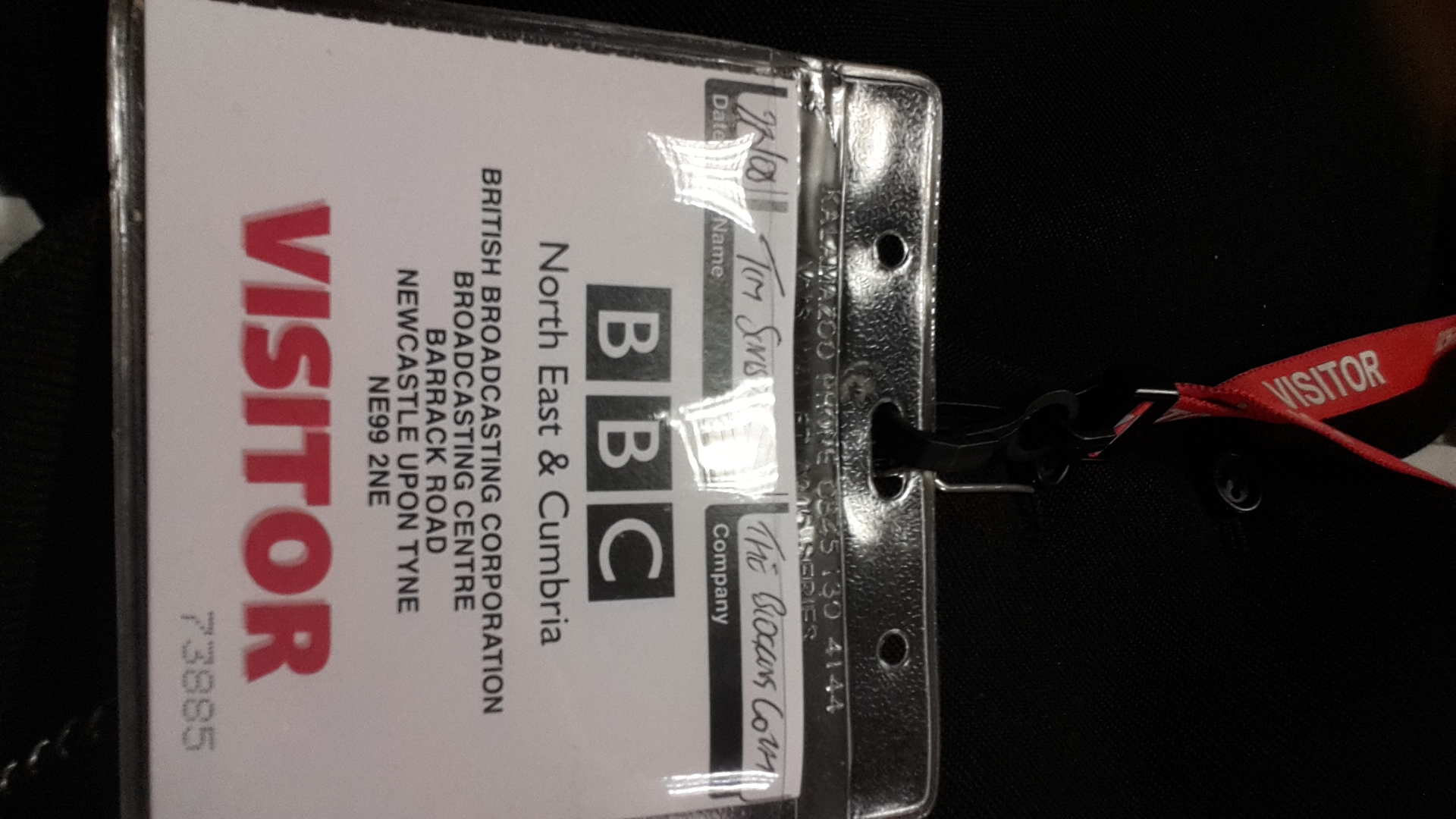
Good morning and welcome to The Blogging Goth! I’m currently at BBC Newcastle, in between interviews about a new study highlighting elevated numbers of depression amongst 14-18 year olds identifying as Goth.

I’ll be publishing a proper response later today, in the meantime please follow my Twitter for real-time updates!

image

Posted in Uncategorized | 1 Comment

Sylvia Lancaster at Darkness and Light in Manchester

Days ahead of the eight year anniversary of the murder of Sophie Lancaster, her mother is repeating her plea for the law to classify subculture crimes as an official strand of hate crime.

sophie-banner

Sylvia Lancaster – whose daughter was murdered in 2007 for dressing ‘like a goth’ – is expected to make her appeal during a talk at The University of Manchester on 20th August, 2015.
The Sophie Lancaster Foundation Talk – to be held at The John Rylands Library – will give Sylvia’s personal perspective on Sophie’s murder, the trial and the work of the Foundation which was set up in her daughter’s memory to stamp out hate crimes.

In 2013, Greater Manchester Police began recording attacks on members of subcultures including goths and emos, as hate crimes. They were the first force in the UK to treat the offences in this way. Previously hate crimes were only registered for offences against race, religion, disability, sexual orientation or transgender identity.

In 2014 Sylvia was appointed an OBE for her tireless campaigning – she said her battle against ignorance will continue:

“I am proud of the work we have done over the last eight years raising awareness of the damage hate crime does to our communities.
“I am aware that there is so much more to do and take this opportunity to call upon other police authorities to follow Greater Manchester Police and the seven other forces in adding the strand of ‘Alternative Subcultures’ to their monitored hate crime categories.  My aim is to have all alternatives protected under this legislation.”

The talk, which takes place between 5pm and 7pm, is part of the free Darkness and Light: Exploring the Gothic exhibition currently running at The John Rylands Library until 20th December, which celebrates diversity and invites visitors to explore what Gothic means to them.

Gothic-exhibition-474x357-landscape

The John Rylands Library – cited as one of the finest examples of Neo-Gothic architecture in Europe – is displaying Gothic treasures from the Library’s Special Collections. Literary gems of interest to the darkly-inclined include a first edition of the Strange Case of Dr Jekyll and Mr Hyde by Robert Louis Stevenson, and a first edition of the 1764 novel The Castle of Otranto by Horace Walpole – widely regarded as the first novel of ‘Gothic literature’.

The exhibition explores the role of women in the Gothic movement, advances in medical science and classic literature and showcases a gallery of photographic portraits of Goths from the contemporary subculture.
It also reveals how Gothic architecture and anatomy inspired and influenced a literary genre and left a lasting legacy which can be found in art and films.

Sylvia added: “This exciting exhibition that explores the Gothic culture is so relevant to our work at the Sophie Lancaster Foundation as, like us, it celebrates the creativity of ‘difference’ whilst educating people.
The fact that there are sessions for children and young people is so positive and I am delighted to be a part of this here in the heart of Manchester.”

Places are limited for this event but members of the public who wish to book a place can do so through the number 0161 306 0555.

Posted in Uncategorized | Tagged , , , , , , , , | Leave a comment